
Silver spot: $57.83/oz · Updated July 21, 2026 12:03 AM ET · Live silver spot chart
Silver Quarter Melt Values — Every U.S. Silver Quarter
Every U.S. 90% silver quarter struck for circulation contains 0.17875 troy oz of pure silver. This guide covers all four major silver-quarter series, shows current melt values at today's spot price, and links to per-series detail pages with year-by-year mintages.
Today's silver spot: $57.83/oz. At that price, a single silver quarter is worth approximately $10.34 at melt.
← All U.S. silver coin melt values
Silver Quarter Melt Value Calculator
Quick reference — silver quarter melt values:
| Composition | Years | ASW (troy oz) | Melt value at $57.83/oz |
|---|---|---|---|
| 90% silver | 1892-1964 | 0.17875 | $10.34 |
| 40% silver-clad | 1976-S | 0.0739 | $4.27 |
$1 FV (4 coins): 0.715 troy oz silver (melt: $41.35).
$10 FV (40 coins): 7.15 troy oz silver (melt: $413.48).
$100 FV (400 coins): 71.5 troy oz silver (melt: $4134.85).
$1,000 FV (4,000 coins): 715 troy oz silver (melt: $41348.45).
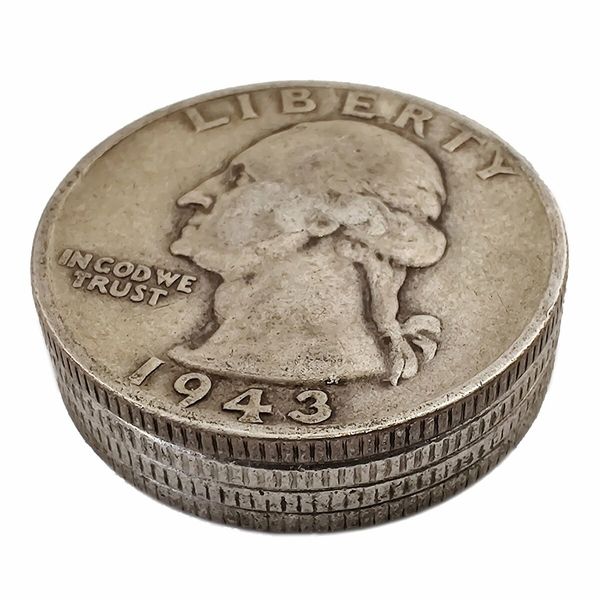
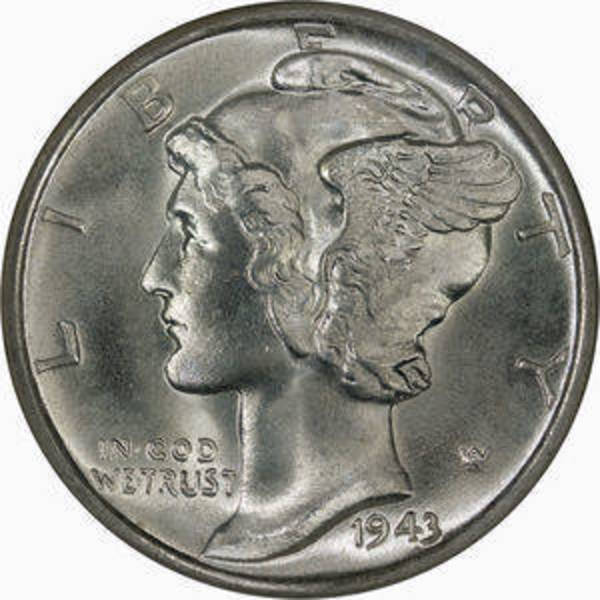
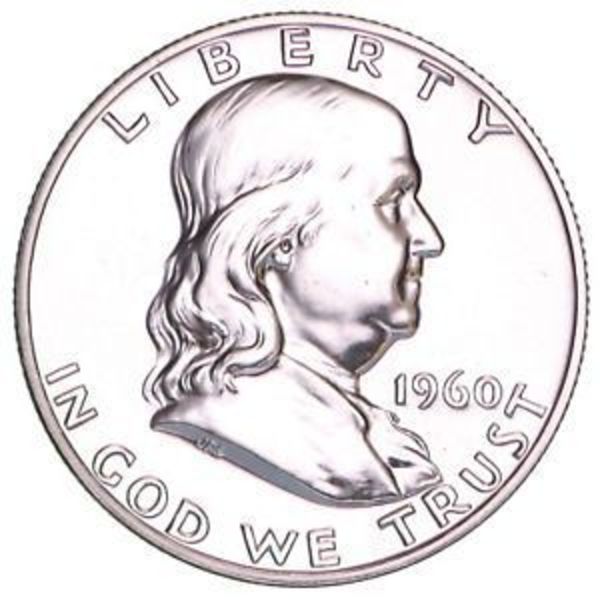
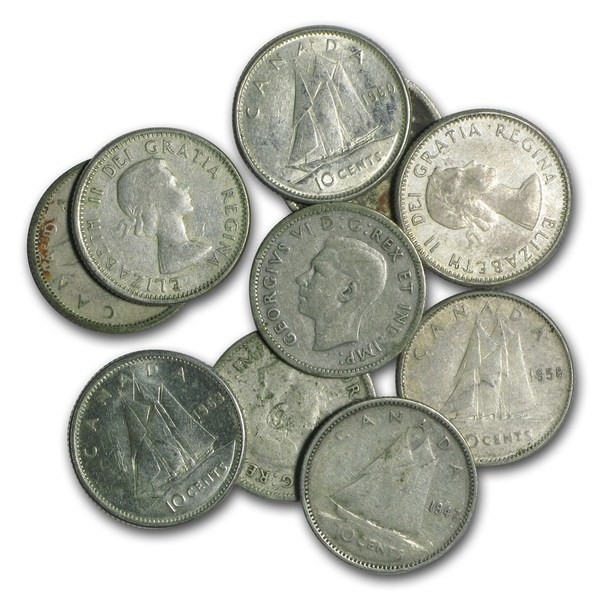
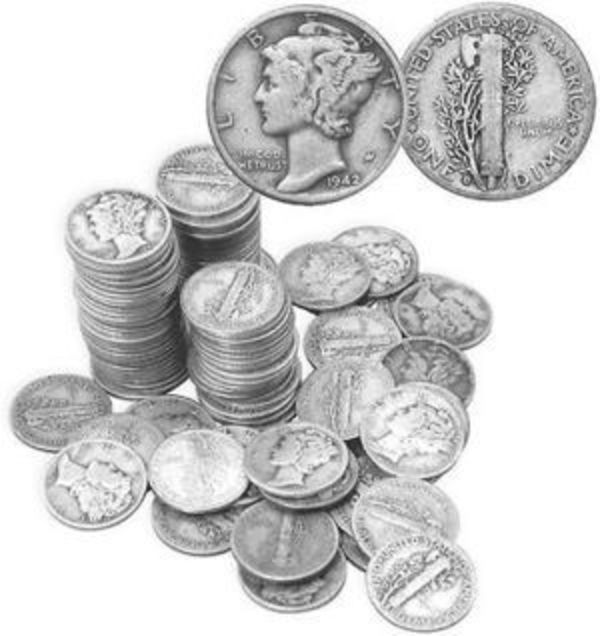
U.S. Silver Quarter Series
Four distinct series make up the silver quarter category. All have identical silver content for circulation issues — what changes across series is design, mintage, key dates, and numismatic premium potential.
Barber Quarter (1892-1916)
The first 90% silver quarter the Mint produced as part of the Barber coinage program (named after designer Charles E. Barber). Notable key dates include the 1896-S, 1901-S, and 1913-S, all of which trade well above melt even in worn condition.
- ASW: 0.17875 troy oz per coin
- Composition: 90% silver, 10% copper
- Total weight: 6.25 g
- Diameter: 24.3 mm
Barber Quarter melt value page →
Standing Liberty Quarter (1916-1930)
Two design variants exist within the Standing Liberty series. Type 1 (1916 and early 1917) features Liberty's exposed right breast. Type 2 (1917-1930) modified the design to add chain mail across Liberty's chest. The 1916 is the famous key date with a mintage of just 52,000 coins; even worn examples trade in the four figures.
- ASW: 0.17875 troy oz per coin
- Composition: 90% silver, 10% copper
- Total weight: 6.25 g
- Diameter: 24.3 mm
- Edge: Reeded
Standing Liberty Quarter melt value page →
Washington Silver Quarter (1932-1964)
The longest-running silver quarter series and the workhorse of any junk silver bag. Struck from 1932 to 1964 in 90% silver, with the 1932-D and 1932-S as the recognized key dates. The series continued in copper-nickel clad after 1964 — those modern Washingtons are not silver and have no melt value worth mentioning.
- ASW: 0.17875 troy oz per coin
- Composition: 90% silver, 10% copper
- Total weight: 6.25 g
- Diameter: 24.3 mm
Washington Silver Quarter melt value page →
1976 Bicentennial Silver Quarter
The Bicentennial quarter is a special case. The Mint struck two versions: a copper-nickel circulation issue (no silver, no melt value) and a 40% silver-clad collector issue struck only at the San Francisco mint, sold in proof and uncirculated three-coin sets. The silver version is identifiable by the "S" mint mark and was distributed only through Mint products, never released into circulation.
Note: the 1976-S silver Bicentennial is 40% silver, not 90%, despite being commonly grouped with the 90% Washington quarters. ASW differs accordingly.
- ASW: 0.0739 troy oz per coin (40% silver)
- Composition: 40% silver outer layers, 9% silver inner layer
- Total weight: 5.75 g
1976 Bicentennial Silver Quarter melt value page →
Composition and History
The U.S. struck 90% silver quarters from 1796 through 1964. The 90% standard was codified in the Coinage Act of 1837 and remained effectively unchanged for 127 years.
The end came with the Coinage Act of 1965, which removed silver from the dime and quarter entirely (and reduced the half dollar to 40% silver). The trigger was rising silver prices in the early 1960s — by 1964, the silver content of a quarter approached its face value, creating an arbitrage that drove coins out of circulation. The Mint switched the quarter to a copper-nickel clad composition starting in 1965, and silver quarters were effectively pulled from circulation through hoarding, melting, and gradual replacement.
For background on how silver was phased out: the end of silver in U.S. coins.
The 1976 Bicentennial silver issue is the only post-1964 silver quarter the Mint has produced for general distribution. Modern .999 fine silver proof quarters issued under the America the Beautiful program (2010-2021) and the Washington Crossing the Delaware program are collector-only products struck for numismatic sale, not in circulation.
How to Identify a Silver Quarter
Three quick checks distinguish a silver quarter from its copper-nickel-clad counterpart:
- Date. The simplest check. Quarters dated 1964 or earlier (excluding modern reissues) are 90% silver. Quarters dated 1965 or later are clad, except for the 1976-S Bicentennial silver, which is identifiable by the "S" mint mark and the dual 1776-1976 dating.
- Edge color. Silver quarters show a uniformly silver-white edge. Clad quarters show a visible copper-colored stripe between the two outer layers when viewed edge-on.
- Sound. Drop a silver quarter on a hard surface and it produces a distinct ringing tone. A clad quarter produces a duller thud.
For more detail on year-by-year identification: which quarters are silver.
Where to Buy and Sell Silver Quarters
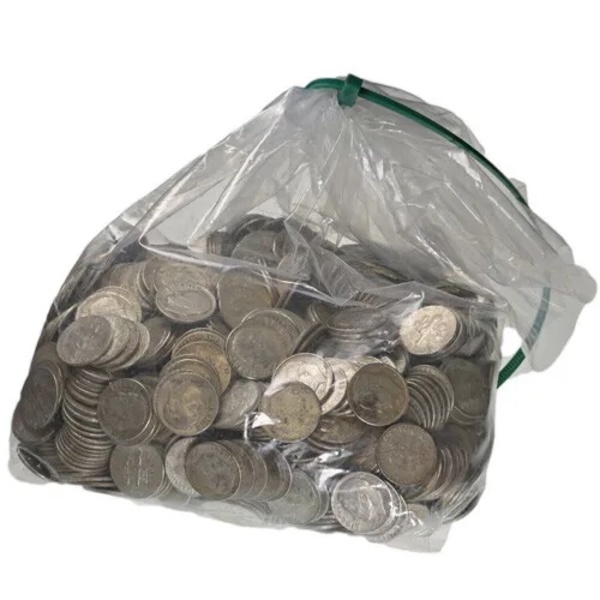
Buying: silver quarters are available individually, in tubes (40 coins per roll), and in junk silver bags ($10, $100, $500, $1,000 face value). Bag sizes are typically priced more efficiently than single-coin transactions — premiums tighten as quantity increases.
- Browse silver quarters across dealers
- Compare junk silver bag prices
- Find quarters closest to spot price right now
Selling: most major bullion dealers buy junk silver quarters at small discounts to melt, with tighter spreads on larger lots. Coin shops and refiners are alternatives; for key dates or high-grade coins, numismatic auction venues often return more than melt-based dealer bids.
Frequently Asked Questions
How much silver is in a quarter?
A pre-1965 U.S. silver quarter contains 0.17875 troy oz of pure silver — about 5.56 grams. The 1976-S Bicentennial silver quarter is the exception, containing 0.0739 troy oz at 40% silver.
What years of quarters are silver?
1932 through 1964 for the standard Washington silver quarter; 1916 through 1930 for Standing Liberty; 1892 through 1916 for Barber. The 1976-S Bicentennial in 40% silver is also silver but was sold only as a Mint product, never released into circulation.
How much is a silver quarter worth today?
At a silver spot price of $57.83/oz, a 90% silver quarter is worth approximately $10.34 at melt. Junk silver quarters typically trade at small premiums or discounts to melt depending on dealer and lot size. Key dates and high-grade examples can exceed melt by significant multiples.
Are silver quarters a good investment?
Silver quarters are an easy way to hold physical silver in a recognizable fractional format. Premiums are usually modest, dealer liquidity is strong, and partial liquidation is simple. The tradeoff versus bars is a slightly higher per-ounce premium.
Why is the 1976 Bicentennial only 40% silver?
The 1976 Bicentennial silver quarter was struck after the Coinage Act of 1965 had already removed silver from circulating coinage. The Mint produced the 40% silver-clad version specifically as a collector-only product to commemorate the Bicentennial — the 90% standard hadn't applied to circulating quarters for over a decade by then.
What's the most valuable silver quarter?
The 1916 Standing Liberty Quarter is the most valuable regular-issue silver quarter, with even worn examples trading in the four figures and high-grade specimens routinely exceeding $10,000. The 1901-S Barber Quarter is the highest-value Barber. Within the Washington series, the 1932-D and 1932-S are the recognized key dates. For more on key dates and high-value examples: the most valuable Barber Quarter.
Related
- All silver coin melt values (master hub)
- Silver dime melt values (all series)
- Half dollar melt values (all series)
- Silver dollar melt values (all series)
- 40% Kennedy half melt values
- Junk silver collection — compare current prices
- Silver quarters — browse dealer listings
- What you need to know about 90% silver coins
- Bicentennial Quarters worth money
