Buy Platinum Bullion for Sale — Compare Dealer Prices
Platinum is the rarest of the three major investment metals. Annual mine supply runs roughly 6 million ounces, compared to 100 million for gold and over 800 million for silver. That scarcity drives wider premium swings and sharper supply reactions than either gold or silver. FindBullionPrices compares platinum prices from 30+ dealers in real time. Browse platinum coins and platinum bars below, or jump to the cheapest platinum prices.
Platinum Bullion Categories
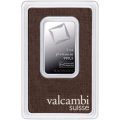

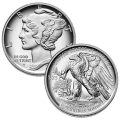
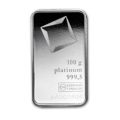
Why Platinum Behaves Differently
About 70% of the world's platinum comes from South Africa, with most of the rest from Russia and Zimbabwe. That geographic concentration means supply disruptions hit fast — labor strikes in South Africa's Bushveld Complex and sanctions on Russian metals have both moved platinum prices sharply in recent years.
Unlike gold, platinum carries heavy industrial demand. Automotive catalytic converters consume roughly 40% of annual supply. Hydrogen fuel cells, electronics, and chemical refining account for most of the rest. When industrial demand rises alongside investment buying, the two compete for the same small supply pool, which can impact spot prices.
Platinum Coins vs Bars
Platinum coins — the American Platinum Eagle, Britannia, Maple Leaf, Kangaroo, and Philharmonic — carry government backing and legal tender status. They command higher premiums per ounce but tend to hold their resale value well. Bars from PAMP Suisse, Valcambi, and Engelhard offer lower premiums and come in sizes from 1 gram to 1 kilo. For most buyers building a position, bars are the cost-efficient choice; coins add liquidity and recognizability.
How to Compare Platinum Prices on FBP
Every product card above shows the lowest available price, the number of dealers carrying that product, and the premium over spot as a percentage. Sort by premium to find the lowest-cost platinum by weight. The cheapest platinum prices page ranks every platinum product by premium across all dealers — start there if total cost per ounce is the priority.
The Gold-to-Platinum Ratio
The gold-to-platinum ratio — how many ounces of platinum it takes to buy one ounce of gold — has run historically wide since 2015. For decades prior, platinum traded at a premium to gold. That inversion means value-oriented buyers are getting platinum at a relative discount to its historical pricing relationship, though there's no guarantee of reversion.
Whether that ratio tightens depends on platinum's industrial outlook (hydrogen fuel cells are a growing demand driver) and whether investment buying returns to levels seen before the 2015 inversion. The ratio doesn't tell you what to buy — but it adds context to the premium you're paying relative to gold.
Browse platinum coins or platinum bars to compare specific products and dealers. For the lowest premiums across all platinum products, see cheapest platinum prices. For more on platinum as a portfolio allocation, read our platinum investment coins guide.
